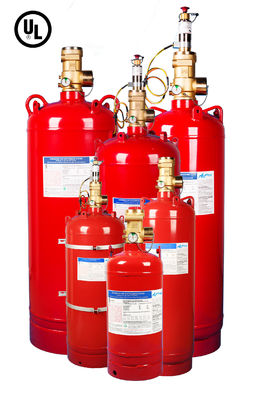
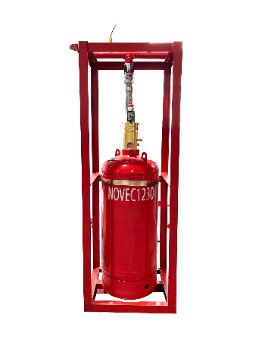
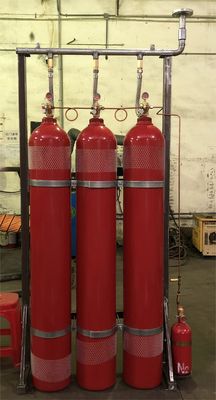
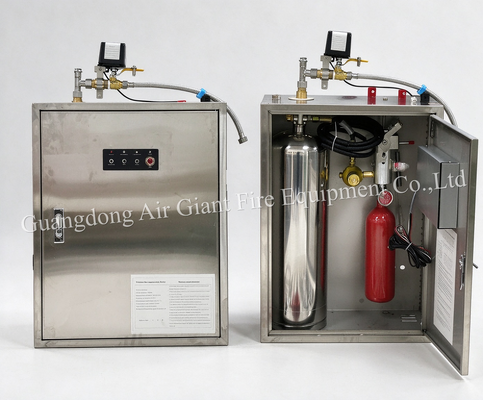
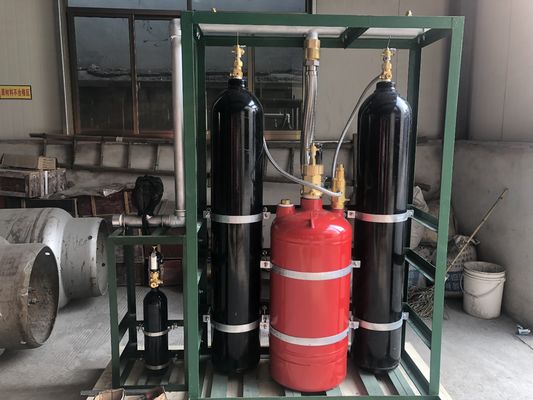
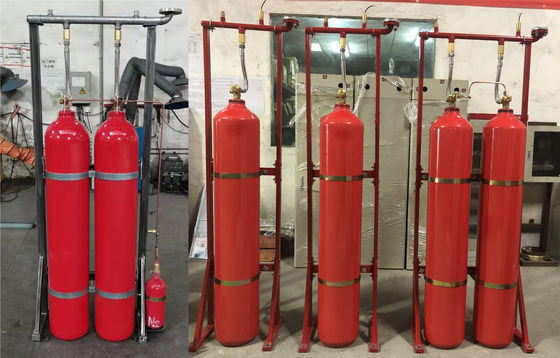
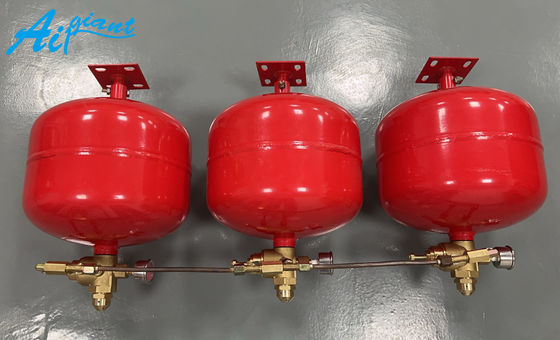
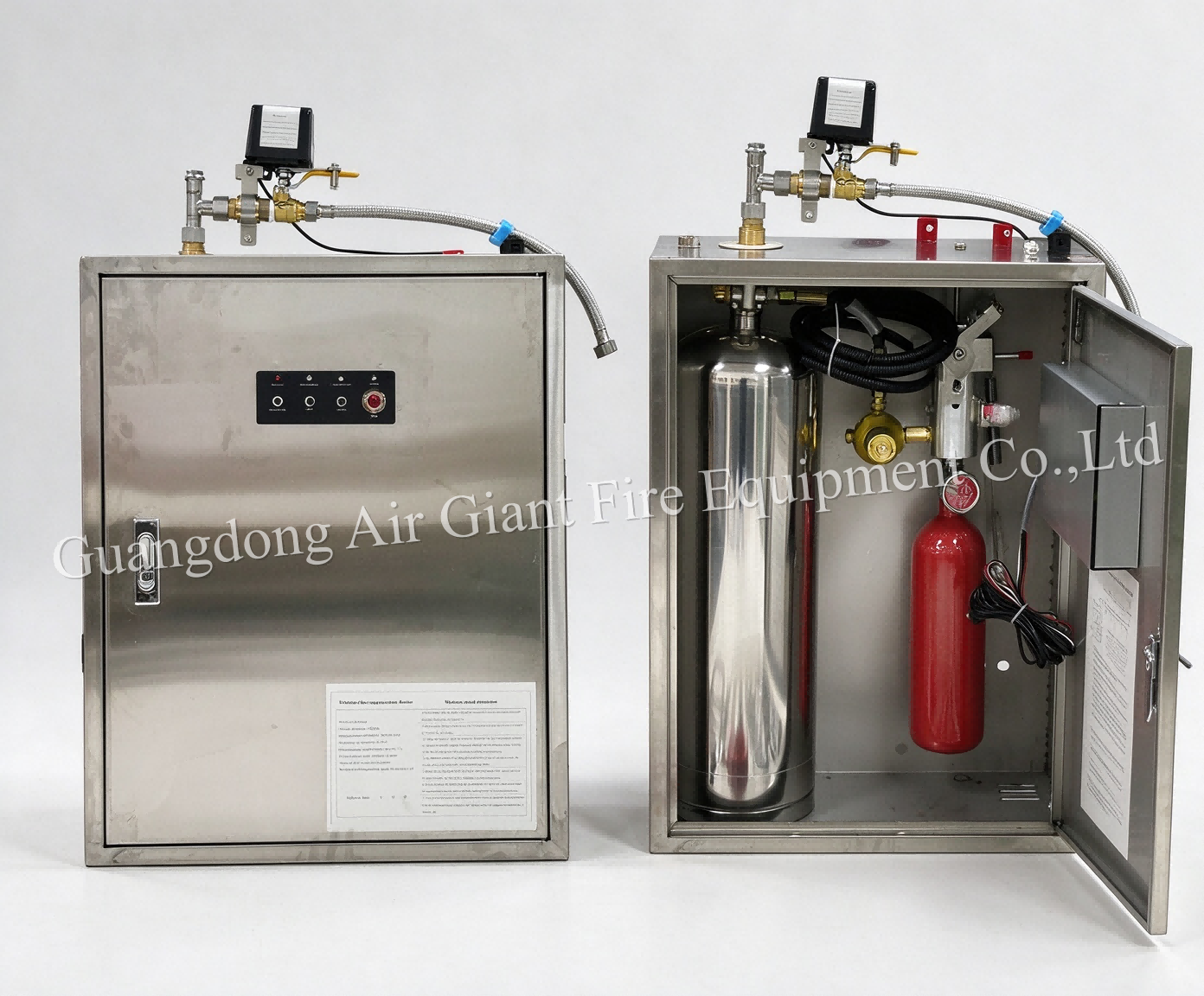
This device can achieve automatic monitoring, detection, and activation 24 hours a day, with a short spraying time of fire extinguishing agent and rapid extinguishing within 5 seconds. During fire extinguishing, the burning oil does not produce splashes. This product is started mechanically and does not require electricity. To prevent corrosion, all raw materials are made of stainless steel or copper. When installed and used, it does not occupy the kitchen area but only occupies the space and position. The installation of the number and position of nozzles is flexible and meets the requirements of the specifications. The on-site design and installation are carried out according to the number of stove fire holes. Environmentally friendly fire extinguishing agent, easy to clean, and convenient for daily cleaning. At the same time, the fire extinguishing device is installed on the surrounding walls of the protective zone, which does not occupy the ground space of the protective zone.
1. Temperature Detector (Thermal Element):Typically uses fusible alloy or glass bulb thermal sensors. When the temperature reaches the set value (usually 160°C–260°C), it automatically melts or breaks, triggering the fire suppression system.
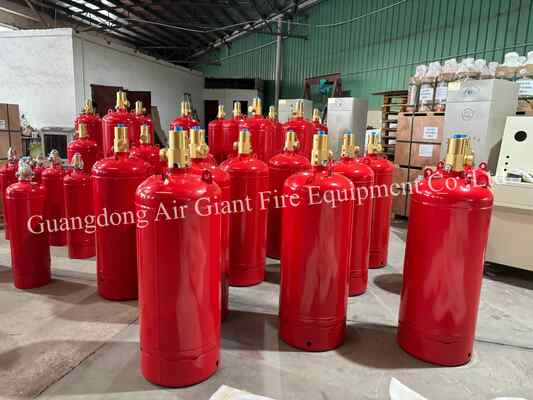
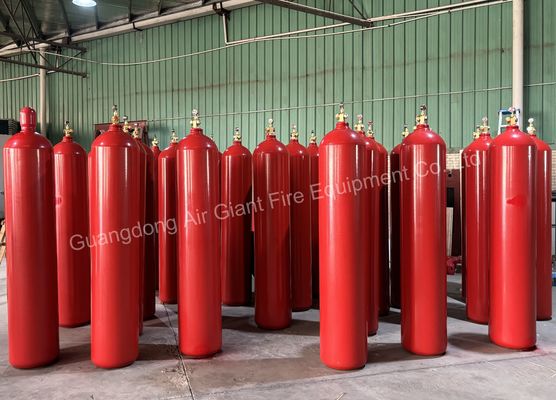
2. Fire Suppressant Storage Cylinder: Stores specialized fire extinguishing agents (e.g., wet chemical fire suppressant).
3. Release Valve: Automatically opens when activated by the detection system, discharging the fire suppressant through the piping.
4. Manual Activation Device (Emergency Button): Installed in a visible location for manual fire suppression activation by personnel.
5. Nozzle/Spray Pipe: Positioned over high-risk fire areas such as stove tops and range hoods to ensure even distribution of the suppressant over the fire source.
6. Mechanical/Electric Control Unit: Receives signals from detectors, automatically shuts off gas/power (via a linked valve), and activates the suppressant release.
![]()
The working principle of kitchen fire suppression typically involves three key mechanisms:
Oxygen Deprivation (Smothering):
Kitchen fires, especially grease or oil fires (Class F), require oxygen to sustain combustion. Fire extinguishers or suppression systems release agents (e.g., wet chemicals, foam, or carbon dioxide) to displace oxygen around the flames. For example, a fire blanket physically blocks oxygen, while CO₂ gas forms an inert layer over burning oil.
Temperature Reduction (Cooling):
Agents like water (in automatic sprinklers) or wet chemical solutions absorb heat energy, lowering the fuel temperature below its ignition point. Water mist systems are particularly effective as they rapidly cool flames and surrounding surfaces without spreading grease.
Chemical Chain Reaction Interruption:
Dry chemical extinguishers (e.g., ABC powder) or specialized wet chemicals disrupt the combustion process at a molecular level. For grease fires, wet agents (potassium acetate/citrate) create a soap-like layer (saponification) that seals the fuel surface, preventing re-ignition.
-- High-Efficiency Fire Suppression
-- Preventing Re-ignition
-- Environmentally Friendly and Harmless
-- High Specialization
-- Wide Applicability
Kitchen Equipment Fire Suppression Device is mainly used at the following site: hotel, restaurant kitchen, the catering center of the stadium, large/medium/small restaurant, fast food restaurant, the catering center of the airport, the kitchen of the office and hospital, large office building restaurant, the kitchen of industrial and mining enterprises, college canteen and so on.
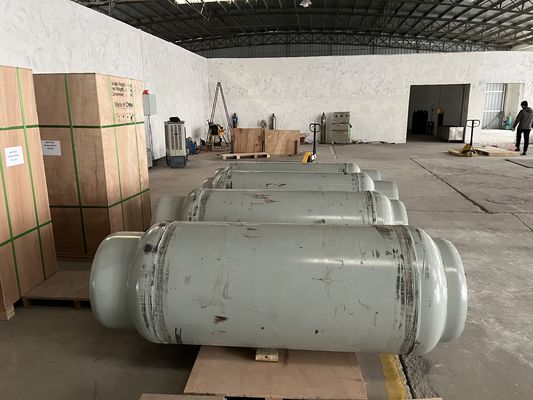
Products are securely packaged with polyfoam and wooden cases. For larger items or upon customer request, pallet packaging is provided. Our standard packaging ensures safe transportation and delivery.