Double Bottles Kitchen Hood Fire Suppression System Dedicated Induction Kit With Multiple Startup Methods
System Overview
The design of kitchen fire suppression systems aims to respond quickly to fires, extinguishing them in their initial stages. When a fire occurs in the kitchen, the heat generated by the flames raises the temperature inside the kitchen. When the temperature reaches the preset threshold of the fire suppression system, the thermal detector responds promptly, triggering the automatic activation of the suppression system. The system then releases fire extinguishing agents, which are precisely sprayed onto the cooking oil and inside the hood through atomizing nozzles. These agents either chemically react with the burning oil or form a covering layer to cut off the air supply, thereby quickly extinguishing the flames.
During the fire suppression process, the kitchen fire suppression system demonstrates highly efficient collaborative capabilities. In the early stages of the fire, after the fire extinguishing agent is rapidly sprayed, the water flow linkage valve immediately opens, spraying water onto the stove and inside the hood to rapidly cool them down. This entire process takes only a few seconds, effectively preventing the fire from reigniting and ensuring the safety of the kitchen.
To better address common cooking oil fires in kitchens, the fire suppression system is equipped with a specialized fire extinguishing agent designed for cooking oils. This agent is non-toxic, odorless, non-polluting, and easy to clean, ensuring safety while also considering post-use cleanup. It can quickly extinguish fires caused by flammable materials like grease and effectively prevent the fire from reigniting.
System Components
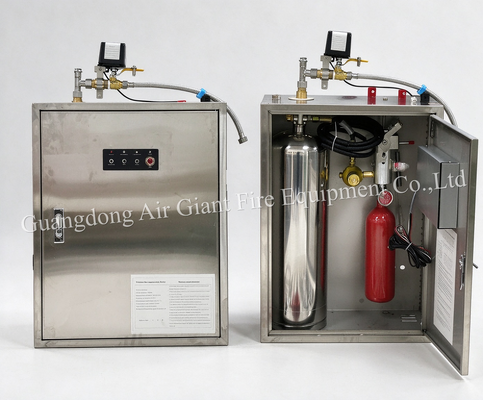
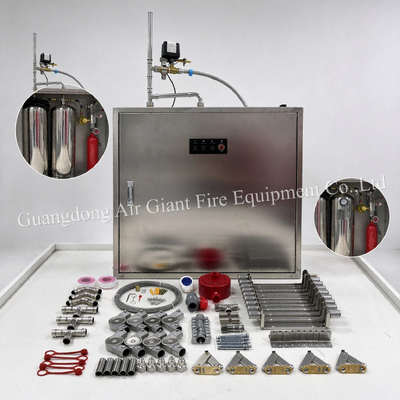
The main components of a kitchen fire suppression system include:
✅ Detection components (thermal sensors)
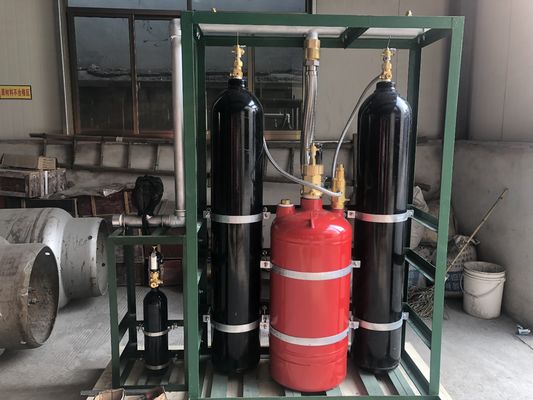
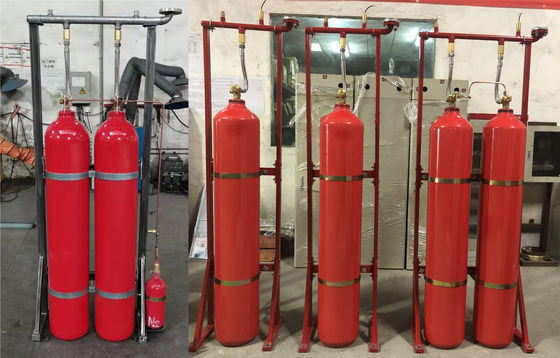
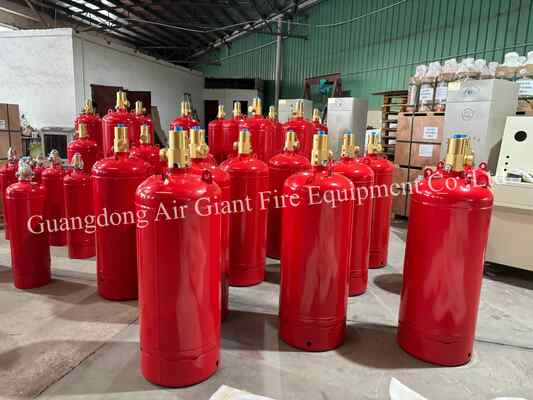
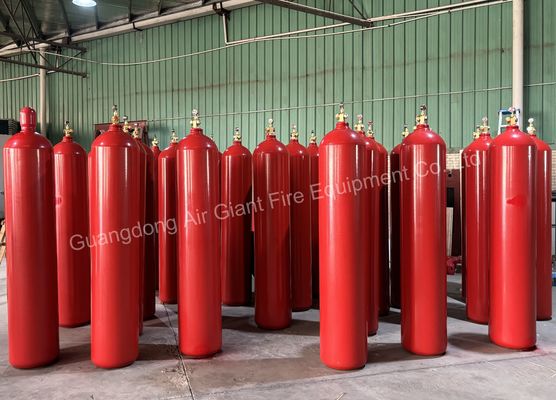
✅ Fire suppressant storage and release components (storage tank, valves, propellant gas)
✅ Discharge system (piping, nozzles)
✅ Interconnected control components (gas shut-off, alarm, power cutoff)
✅ Auxiliary accessories (pressure gauge, filter, mounting brackets)
Working Principle
The working principle of kitchen fire suppression typically involves three key mechanisms:
Oxygen Deprivation (Smothering):
Kitchen fires, especially grease or oil fires (Class F), require oxygen to sustain combustion. Fire extinguishers or suppression systems release agents (e.g., wet chemicals, foam, or carbon dioxide) to displace oxygen around the flames. For example, a fire blanket physically blocks oxygen, while CO₂ gas forms an inert layer over burning oil.
Temperature Reduction (Cooling):
Agents like water (in automatic sprinklers) or wet chemical solutions absorb heat energy, lowering the fuel temperature below its ignition point. Water mist systems are particularly effective as they rapidly cool flames and surrounding surfaces without spreading grease.
Chemical Chain Reaction Interruption:
Dry chemical extinguishers (e.g., ABC powder) or specialized wet chemicals disrupt the combustion process at a molecular level. For grease fires, wet agents (potassium acetate/citrate) create a soap-like layer (saponification) that seals the fuel surface, preventing re-ignition.
System Advantages
-- High-Efficiency Fire Suppression
-- Preventing Re-ignition
-- Environmentally Friendly and Harmless
-- High Specialization
-- Wide Applicability
Applications
1. Commercial Catering Establishments: Restaurants and Canteens, Hotels and Guesthouses
2. Public Institutions and Enterprises: Schools and Hospitals, Government and Enterprise Units Food
3. Special Locations: High-Rise Buildings, Special Industries
4. Other Regulated Locations: High-Risk Fire Units, Large commercial complex

Packaging
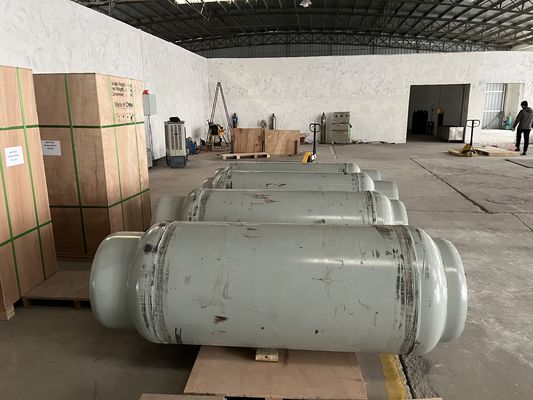
Products are securely packaged with polyfoam and wooden cases. For larger items or upon customer request, pallet packaging is provided. Our standard packaging ensures safe transportation and delivery.


 Your message must be between 20-3,000 characters!