Double Bottles Automatic Protection Commercial Kitchen Hood Fire Suppression System For Restaurant Hotel Fire Fight
Product Description
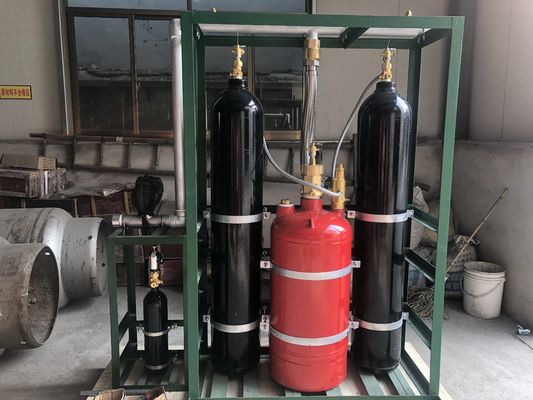
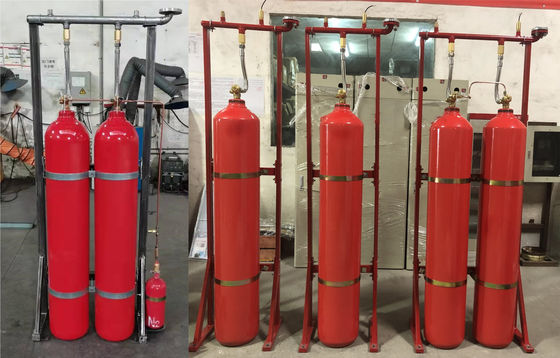
Double Bottles Automatic Protection Commercial Kitchen Hood Fire Suppression System
Professional fire suppression system designed for restaurant and hotel kitchen environments, providing automatic 24/7 monitoring, detection, and activation capabilities.
System Overview
This system achieves automatic monitoring, detection, and activation 24 hours a day, with rapid fire extinguishing agent deployment within 5 seconds. During fire suppression, burning oil does not produce splashes. The system is mechanically started and does not require electricity.
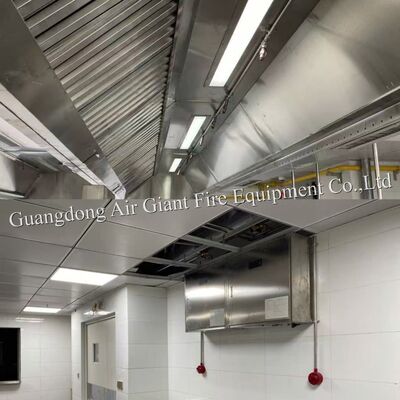
All components are constructed from stainless steel or copper to prevent corrosion. The system installation does not occupy kitchen floor space, utilizing only overhead and wall positions. Nozzle placement is flexible and designed according to the number of stove fire holes.
Features environmentally friendly fire extinguishing agent that is easy to clean, facilitating daily maintenance. The fire suppression device is installed on surrounding walls of the protected zone, preserving valuable ground space.
System Components
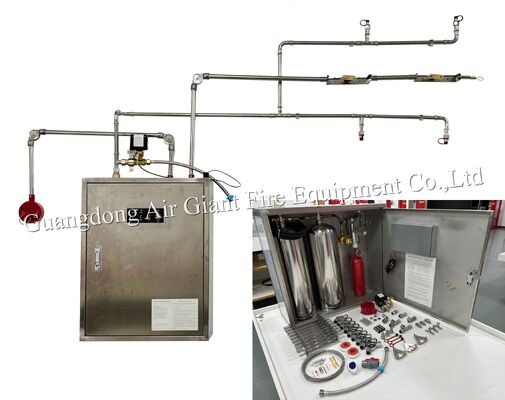
Detection components (thermal sensors)
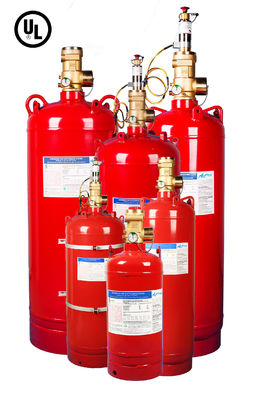
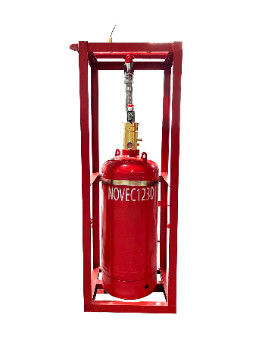
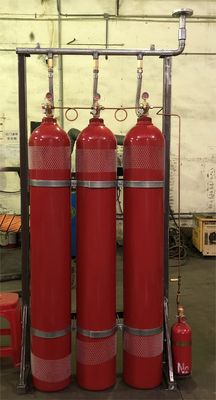
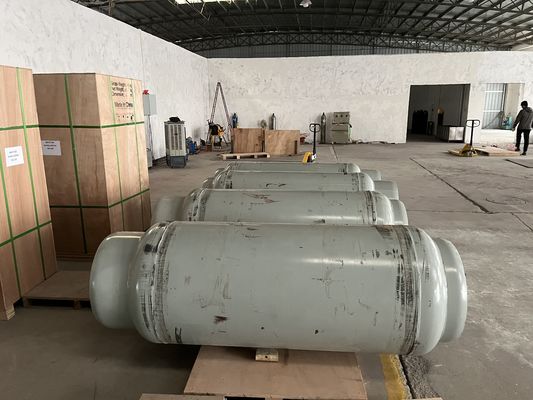
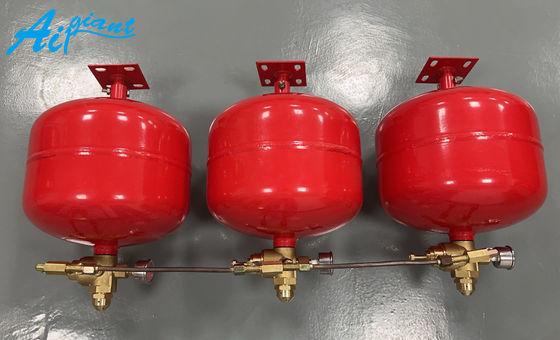
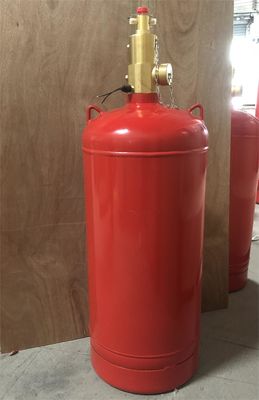
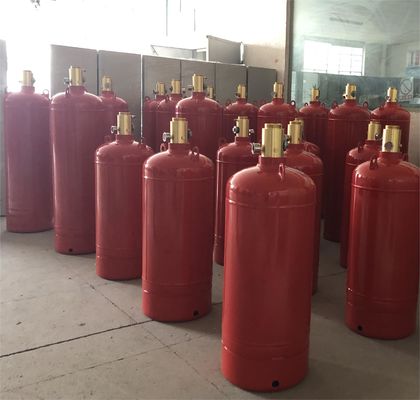
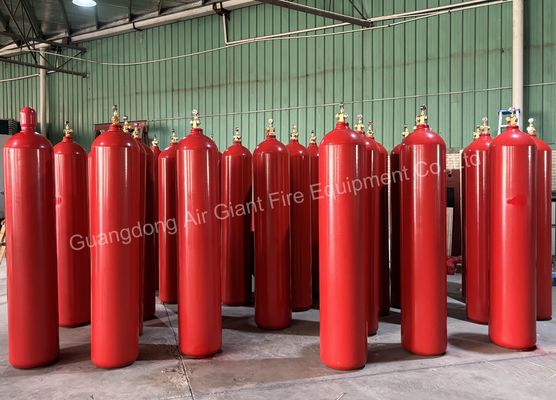
Fire suppressant storage and release components (storage tank, valves, propellant gas)
Discharge system (piping, nozzles)
Interconnected control components (gas shut-off, alarm, power cutoff)
Oxygen Deprivation (Smothering): Kitchen fires, especially grease or oil fires (Class F), require oxygen to sustain combustion. The system releases agents to displace oxygen around flames, creating an inert layer over burning materials.
Temperature Reduction (Cooling): Agents like wet chemical solutions absorb heat energy, lowering fuel temperature below ignition point. Water mist systems rapidly cool flames and surrounding surfaces without spreading grease.
Chemical Chain Reaction Interruption: Specialized wet chemicals disrupt the combustion process at a molecular level. For grease fires, wet agents create a soap-like layer (saponification) that seals the fuel surface, preventing re-ignition.